UX / UI
Product discovery
Strategy
Innovation design
Taskize
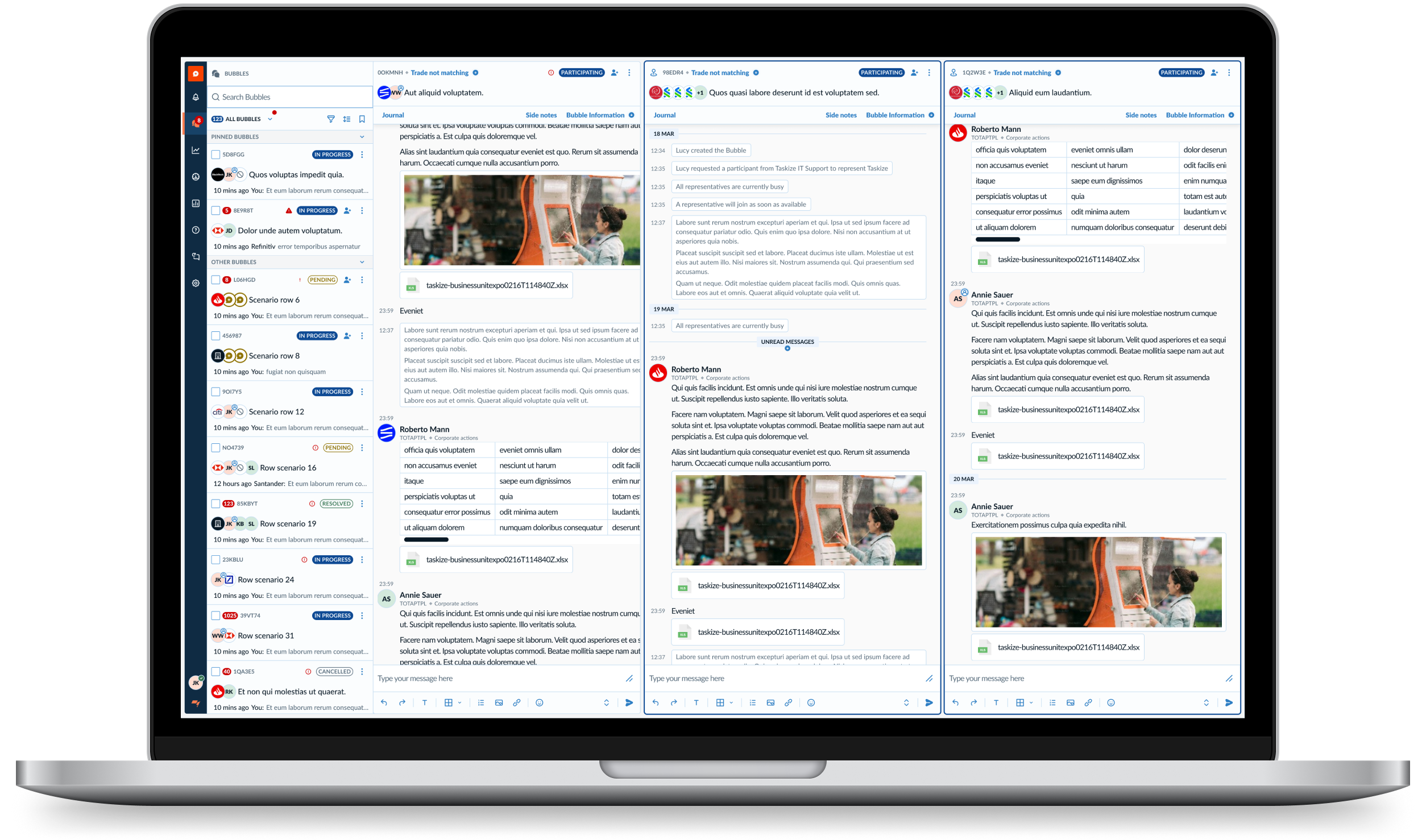
When Taskize faced losing major clients due to poor usability of their platform, I led the UX turnaround that won back their trust. From research to redesign, I improved usability scores, helped secure £500k+ in new business, and set the foundation for long-term product evolution.
Overal stats
Team
1 UX / Product Design Lead (me)
1 Jr Product designer
3 Product Managers
16 Developers
Business areas
Keep customers
Improvement of User experience
Accessibility
UI Revamp
UX Focus areas
App structured as backend developers think
Low contrast colors
Too much information overwhelming for users
Outcomes
Client retention - no Client left
Usability of the platform increased by 14 points is SUS surveys
Company-wide readiness for accessibility compliance ahead of European Accessibility Act
UX process that can reproduced, tracked and scaled
Promises of purchase based on vision prototypes of £500K+
The problem
When I joined Taskize, the warning lights were flashing. With a great idea but with a poor product experience I was brought in to help the rethinking of the company user experience vision.
The message was clear: “If things don’t improve in the next 12 months, we’re out.”
Internally, no one could quite agree on what exactly was broken—just that something had to change. And fast. I came in at this pivotal moment to make sense of the noise and help steer the ship.
My role
As Lead UX Designer, I was the glue across disciplines. I ran the research, set the direction, shaped the vision, delivered the fixes, and drove cross-team alignment.
I was the central point of contact between:
- Product leadership
- Development teams
- Stakeholders
- Clients (via workshops and roadshows)
I turned a near-crisis into a structured, strategic transformation — balancing visionary thinking with tangible results.
Find the Signal in the Noise
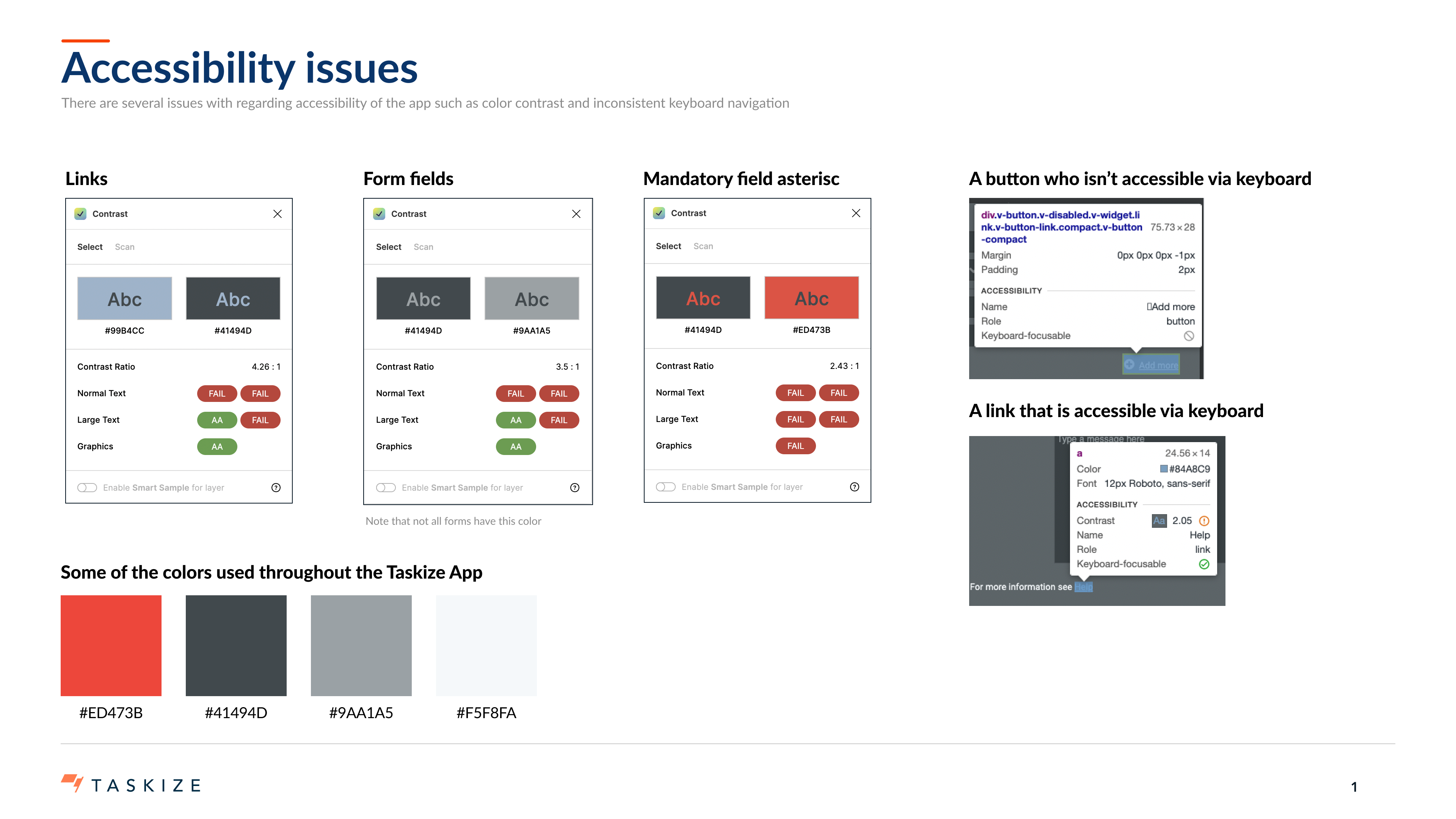
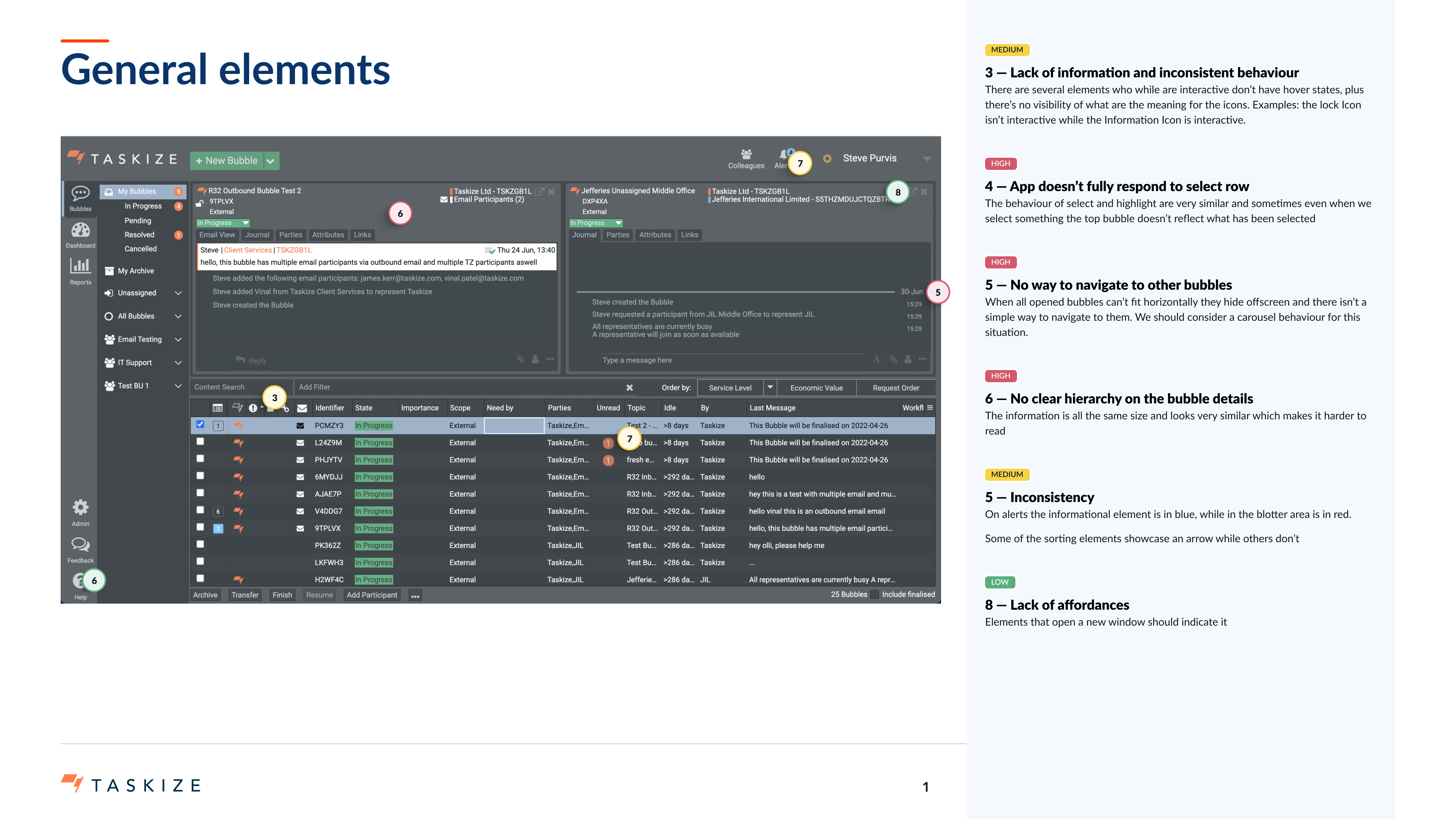
I kicked things off by grounding the team in evidence. I ran a heuristic evaluation and accessibility audit, introduced a System Usability Scale (SUS) survey (filled by 75 real users across our top customers) to benchmark the experience (we scored a worrying 51), and gathered insights from both clients and internal teams.
Everyone knew it wasn’t working — I showed them why and how.
Quick Wins, Big Trust
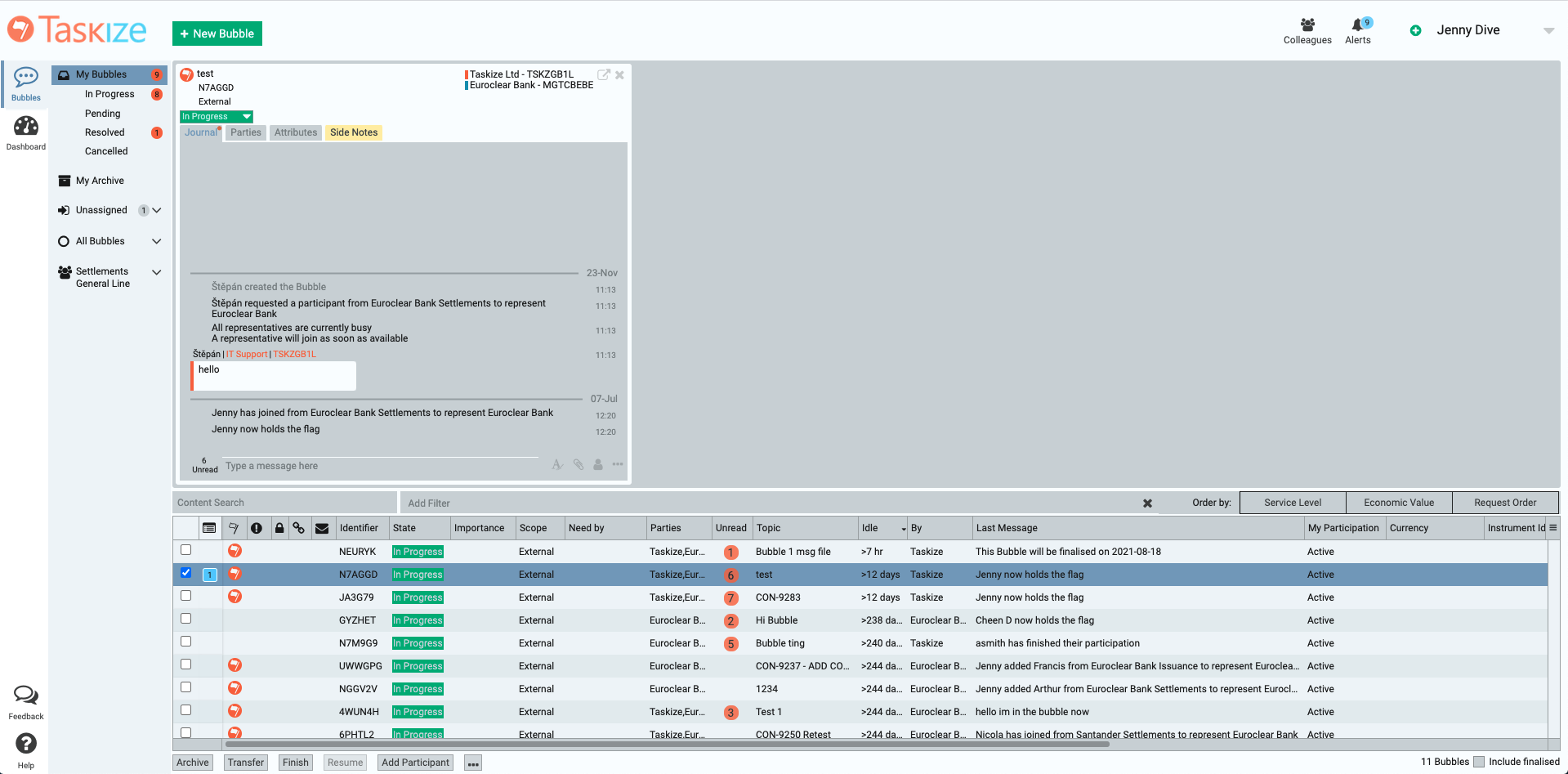
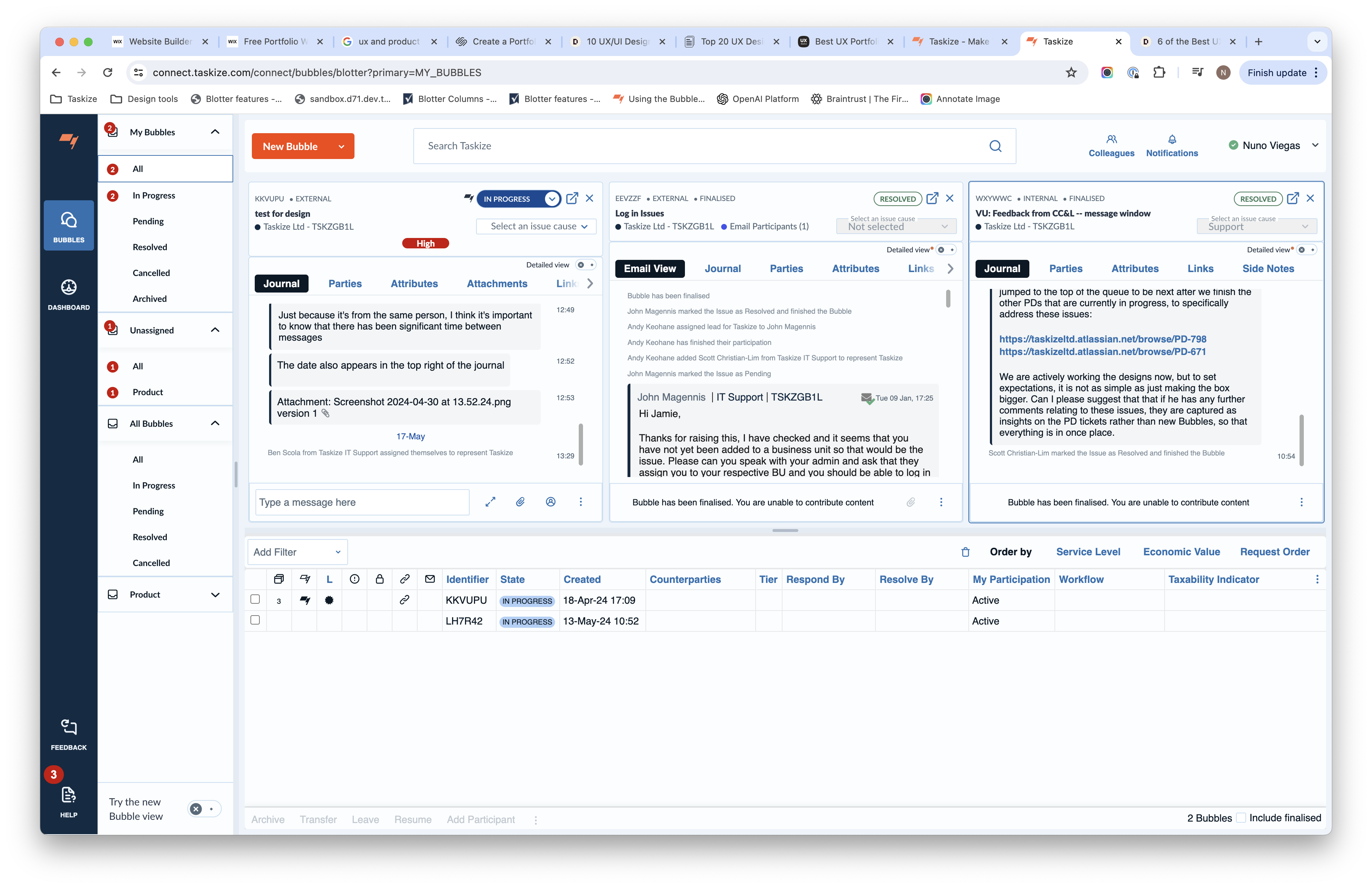
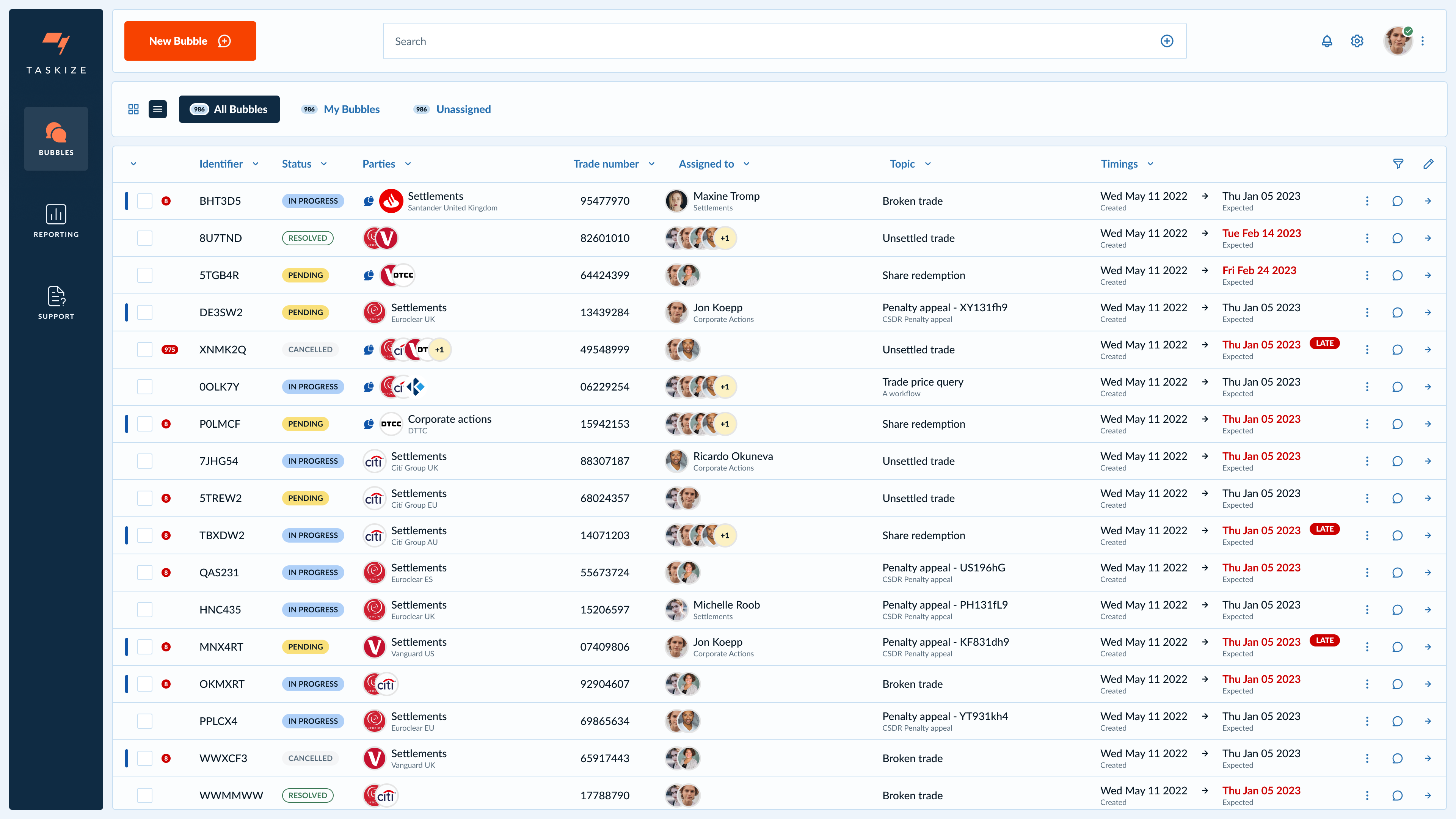
Next, I led a focused 6-month UI refresh to tackle the biggest usability blockers head-on. The goal wasn’t to redesign everything — it was to buy us time by showing visible, tangible progress.
And it worked. Our most frustrated clients extended their timelines from 12 months to 18. That window changed everything.
New way of working
With breathing room secured, I launched a human-centered design program to shift focus from patching problems to imagining what the platform could become.
At the same time, I advised on shaping a more structured product discovery and development process. As trust rebuilt, I gradually introduced a lightweight UX monitoring framework and shared best practices across teams.
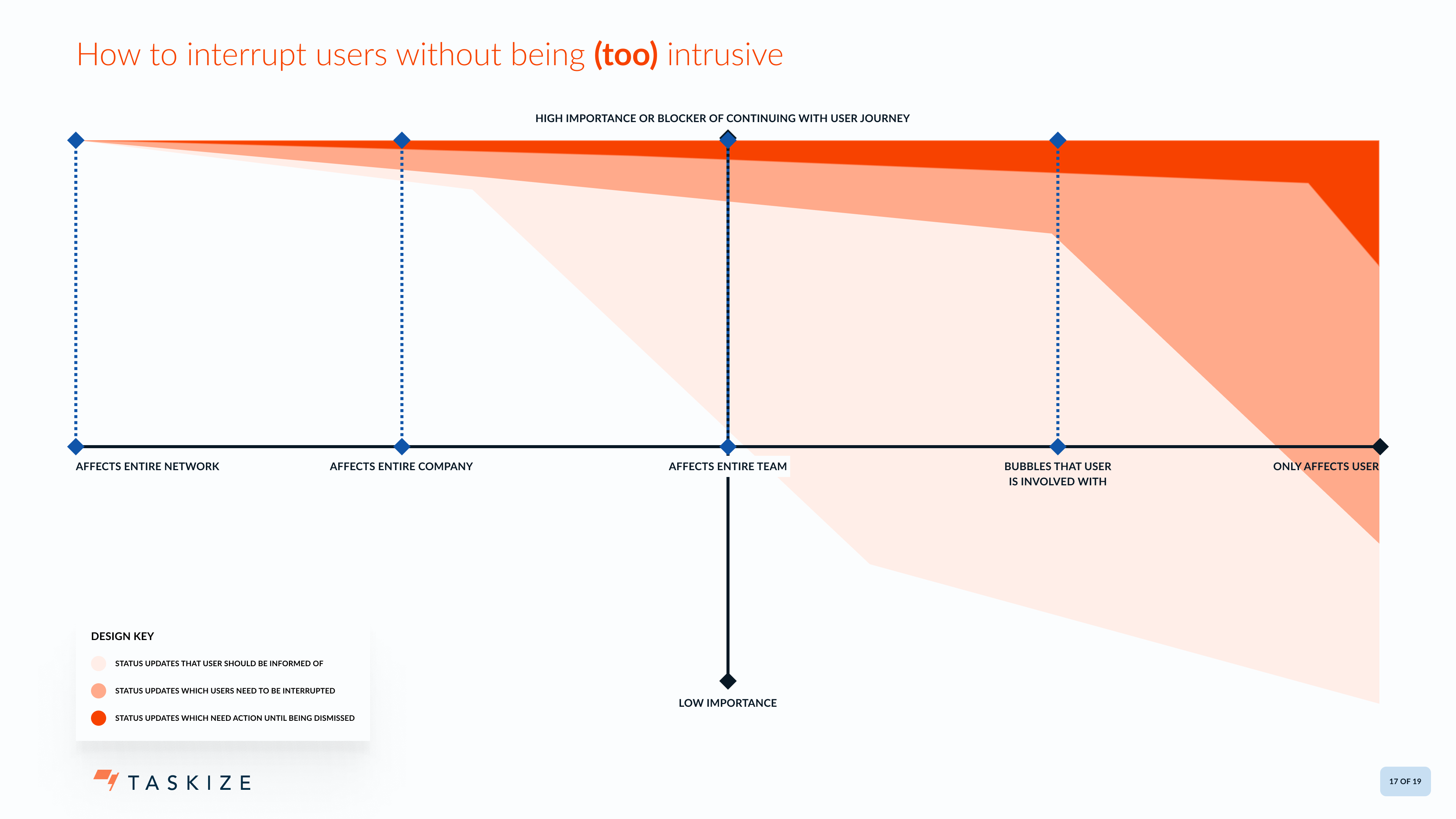
From rethinking notifications to avoid overwhelming users, to guiding how we approached feature design — my role evolved into a strategic UX partner, ensuring decisions were grounded in real user behaviour, not just gut instinct.
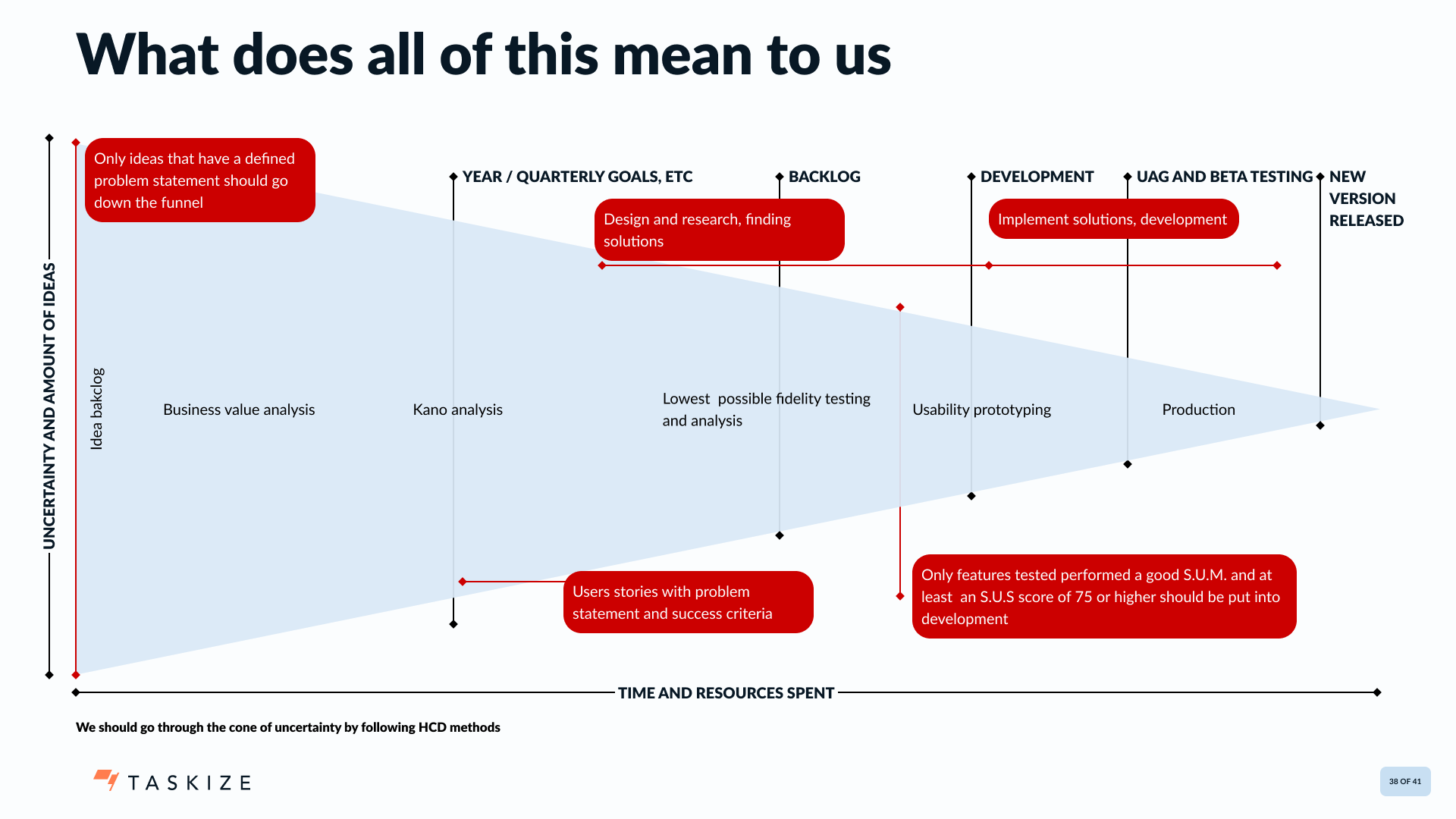
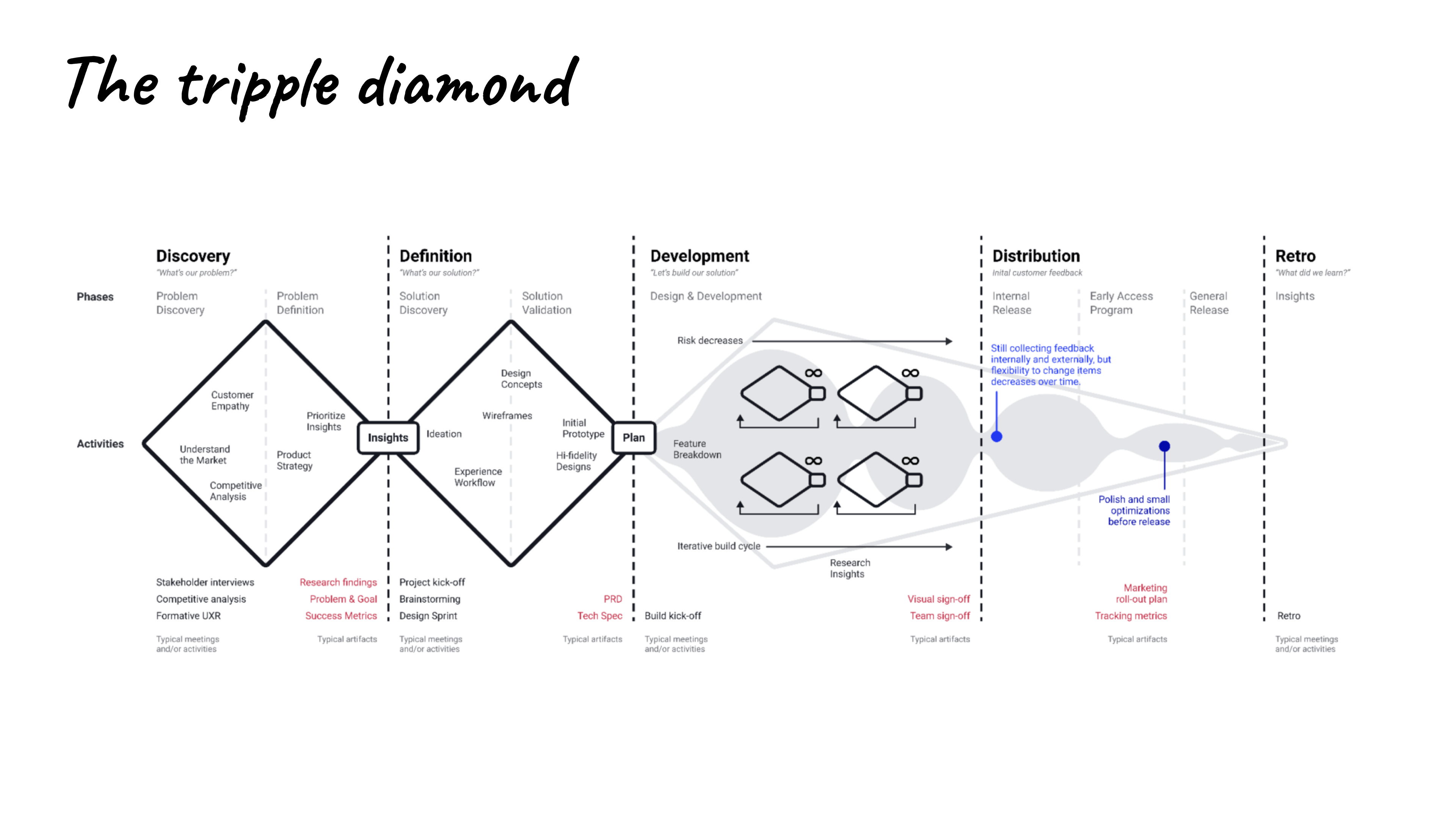
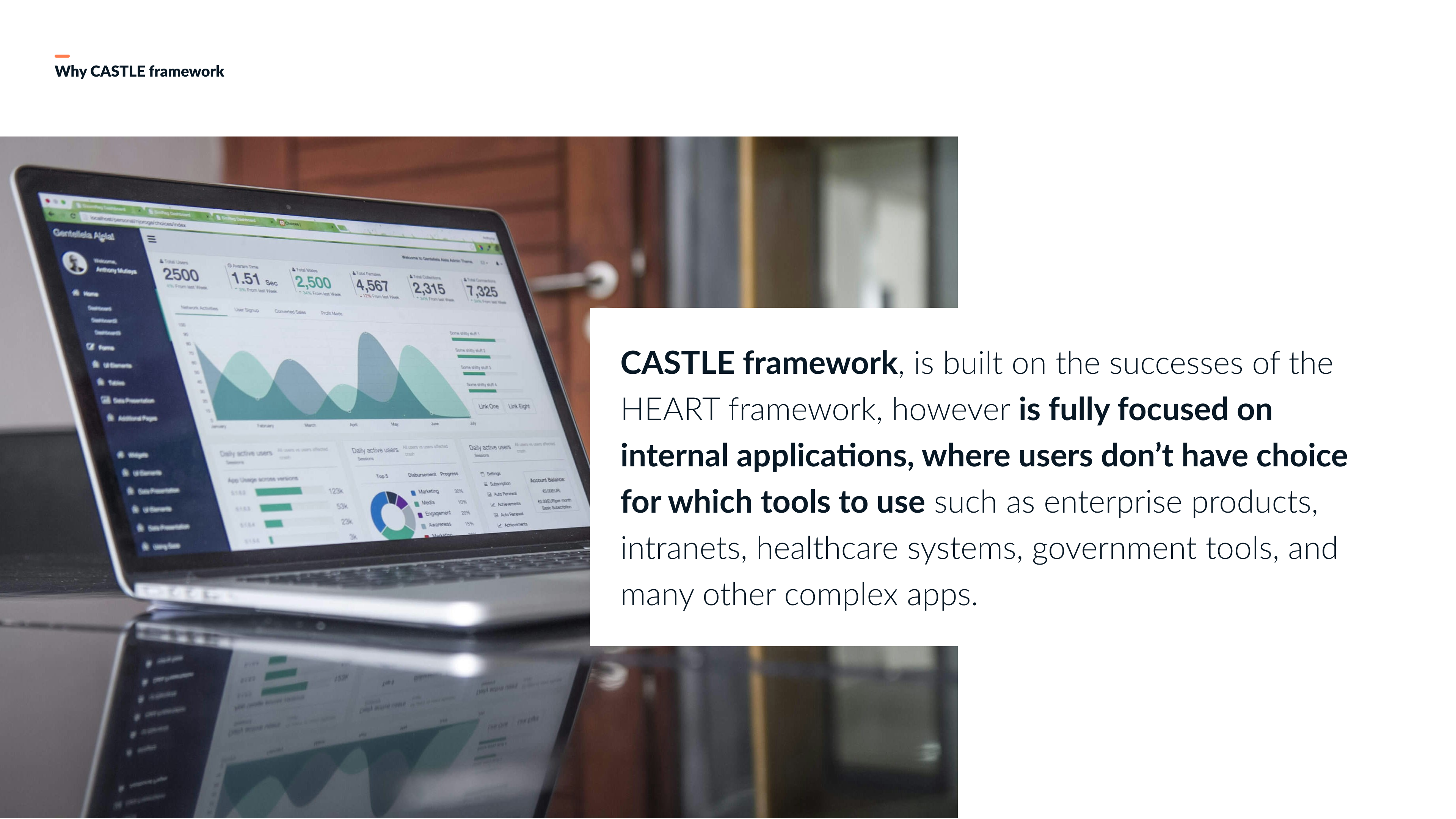
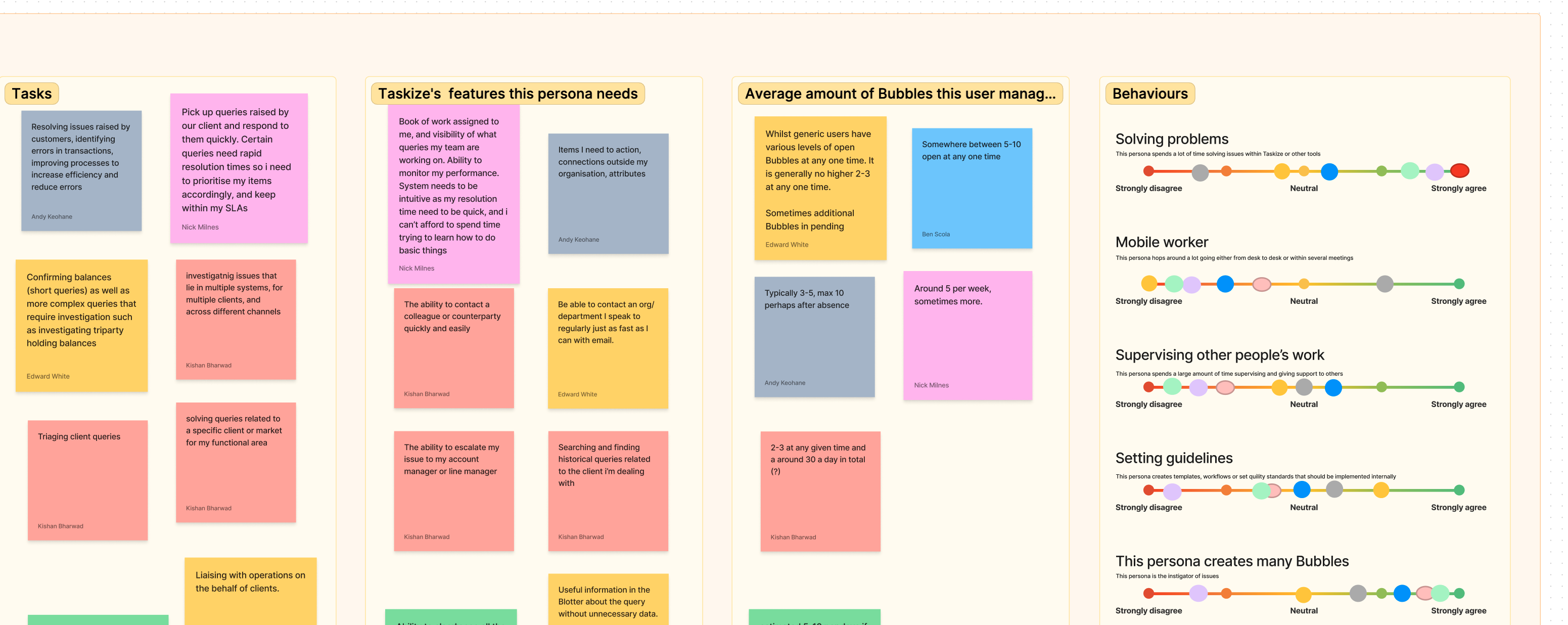
With a proper HCD process agreed I was able to focus on understanding the users, their goals and behaviours
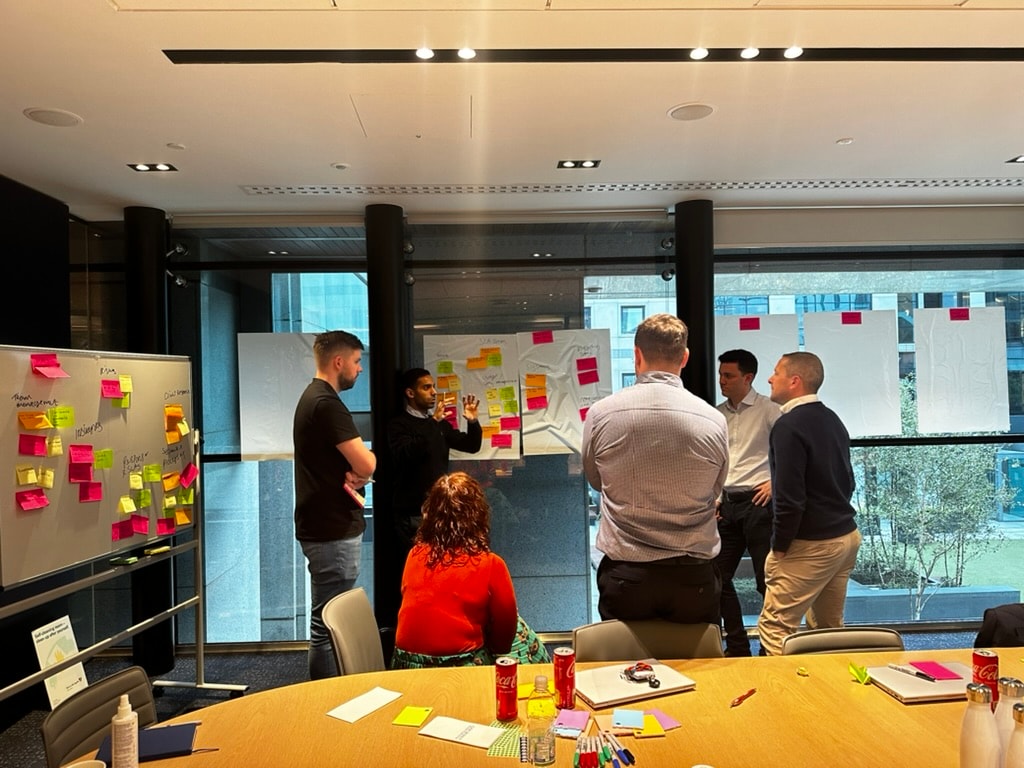
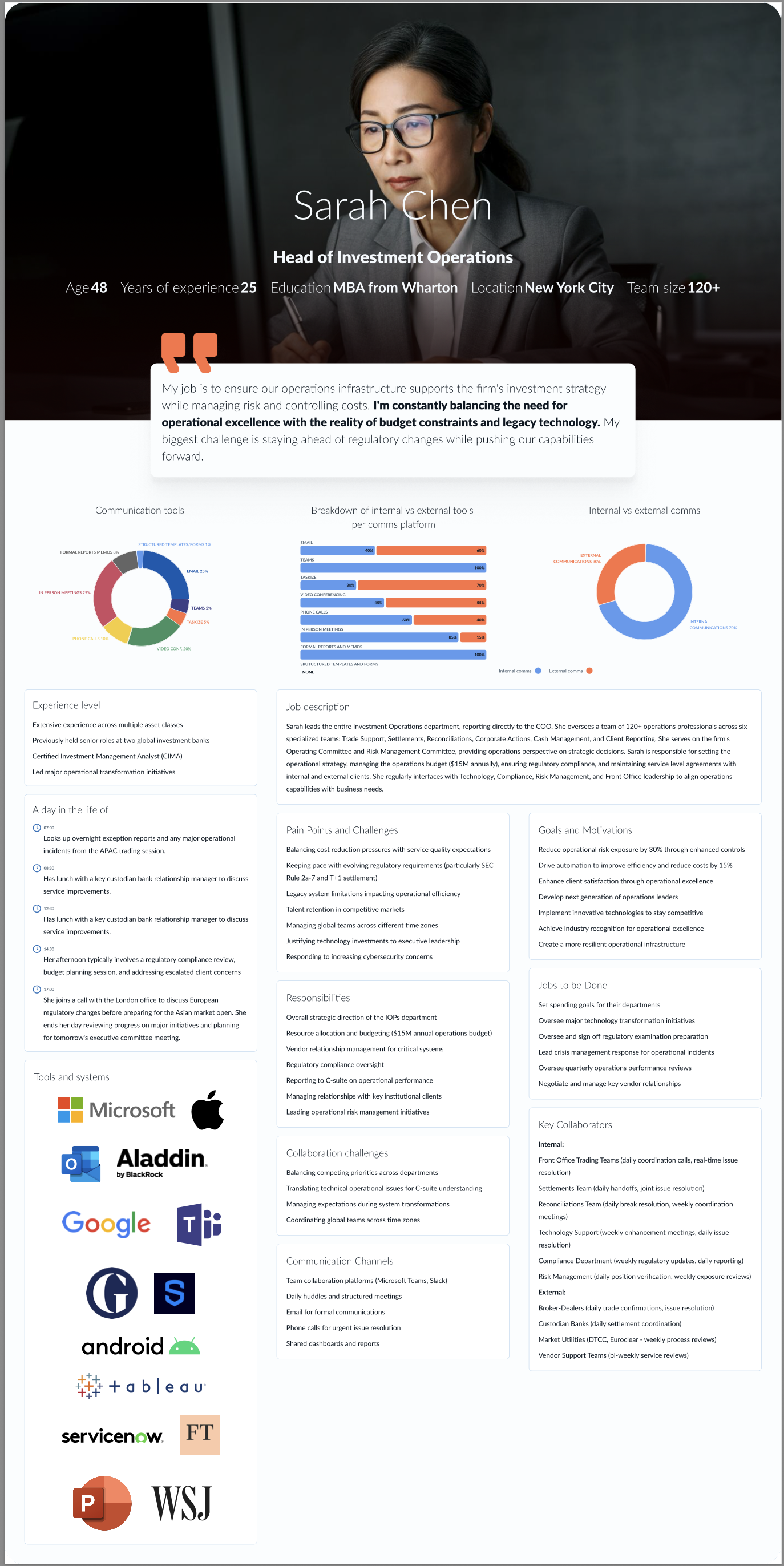
To get everyone aligned around real user needs, I led a series of workshops — both remote and in-person — that shaped the creation of detailed personas and user journeys. These became a strategic north star, helping stakeholders confidently prioritise features and phase the roadmap with purpose.
Building the vision
We created a forward-thinking “concept car” prototype, capturing what the platform could be. I took it on a 3-month roadshow, sharing it with top-tier clients.
Their response? “When can we have this?”
Deliver What Matters
While the business chose not to launch the full concept vision, I shifted into delivery mode — working across two Scrum teams to ensure its core principles still informed what shipped.
I adopted a bare-minimum fidelity approach to feature ideation, focusing on speed and flexibility. This allowed us to test ideas early, gather feedback fast, and iterate without wasting time on polish too soon.
It was all about momentum — shipping smarter, not slower.
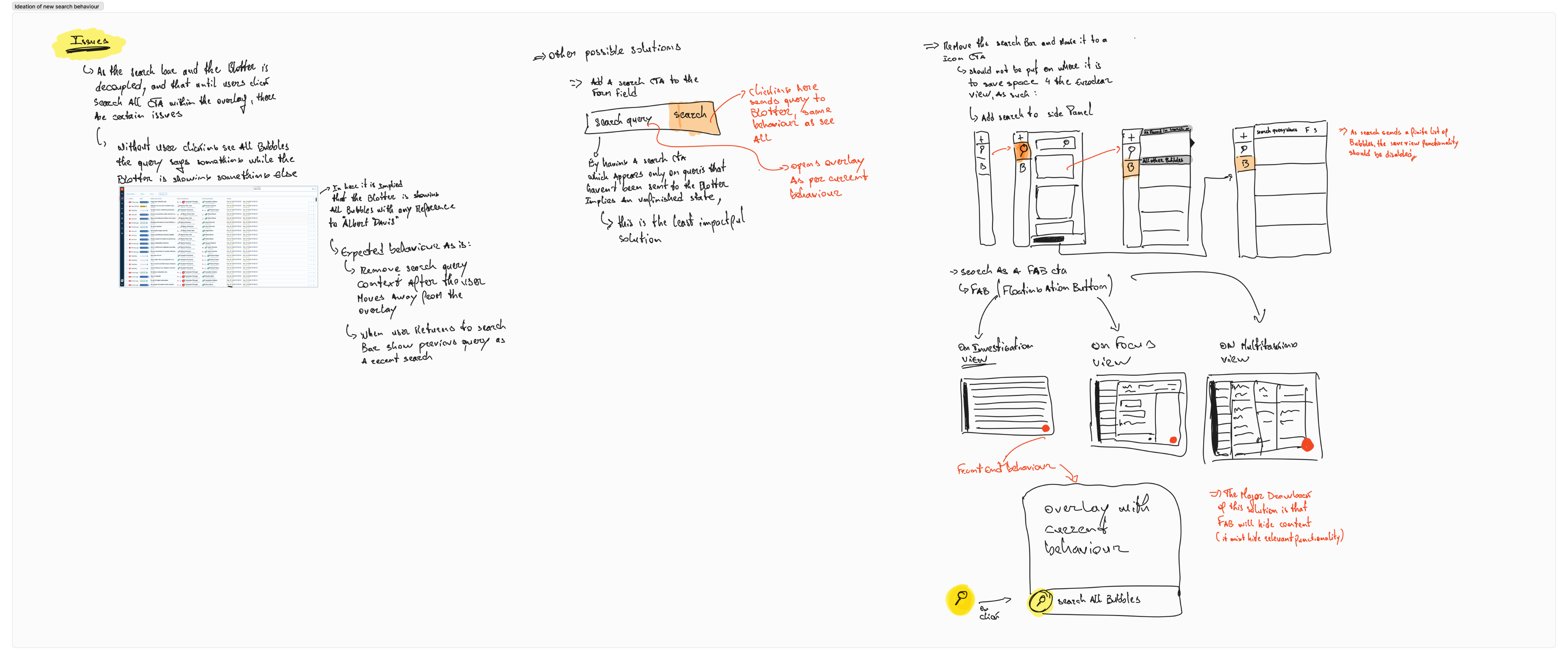
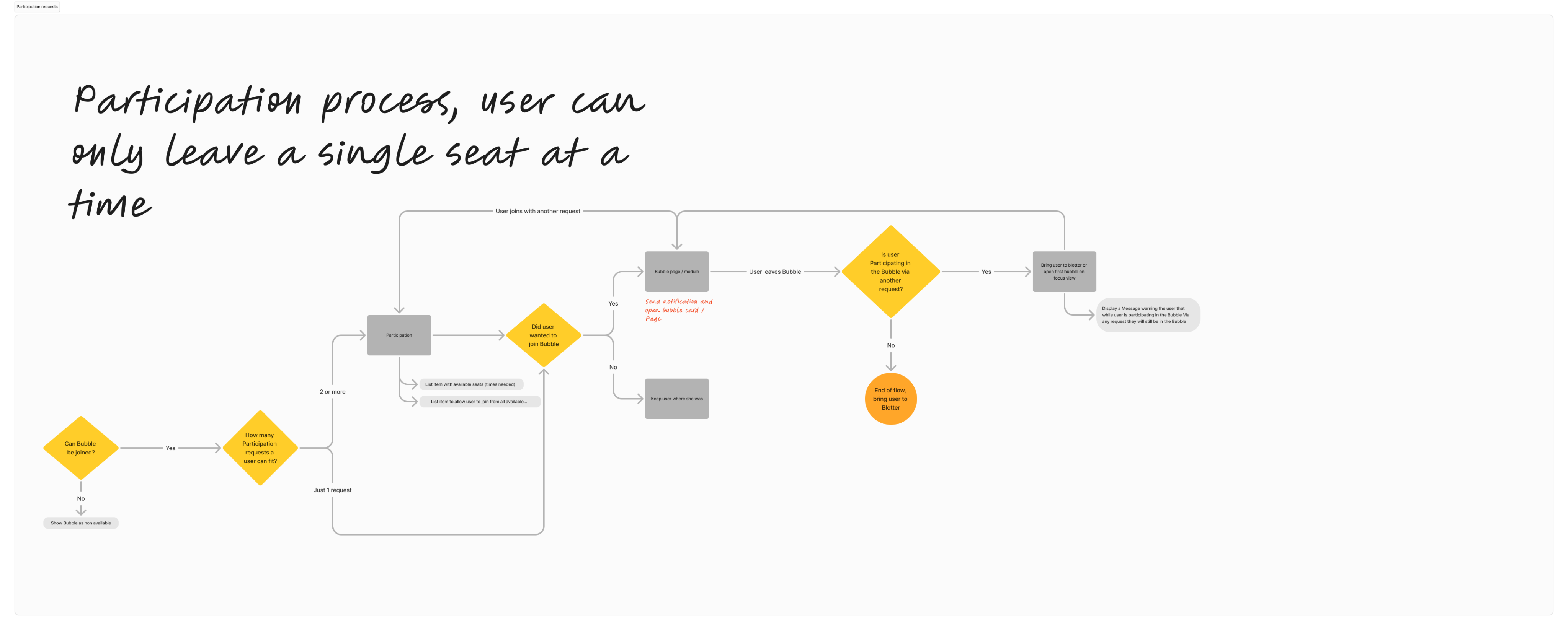
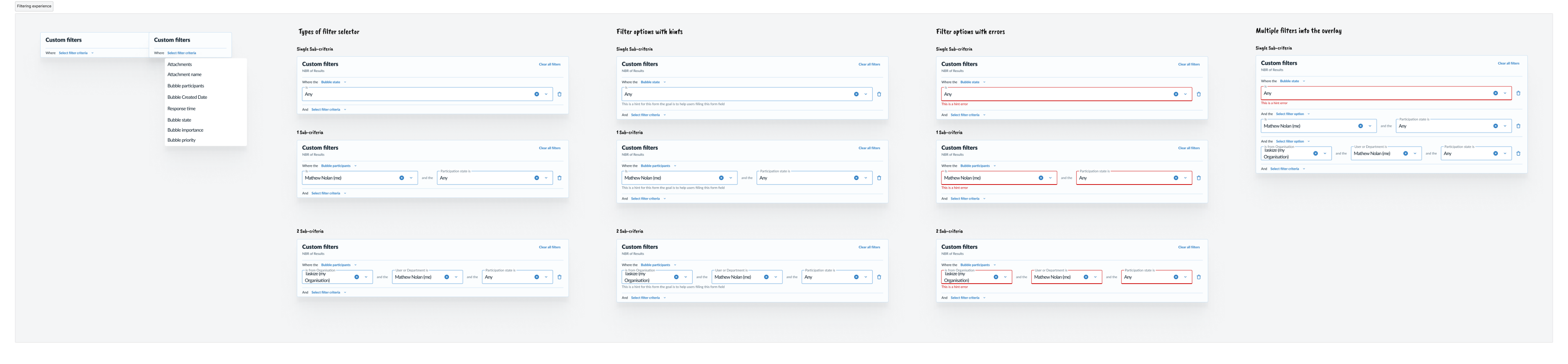
And documented full high fidelity designs which were used by developers.
Results
SUS score increased from 51 → 65, confirming major usability gains
Client retention secured — only a single account lost
£500k+ in promised business impact, including one confirmed deal and three more in active conversations, directly linked to the concept prototypes
Company-wide readiness for accessibility compliance ahead of the European Accessibility Act
UX process uplifted — testing, benchmarking, and human-centred design became part of how Taskize operates
Other projects
Get in touch
Curious how I can support you and your team?
Let’s talk — I’d love to hear what you’re working on.
Get in touch
Version 0.1 - Upcoming releases Mobile and Tablet variations